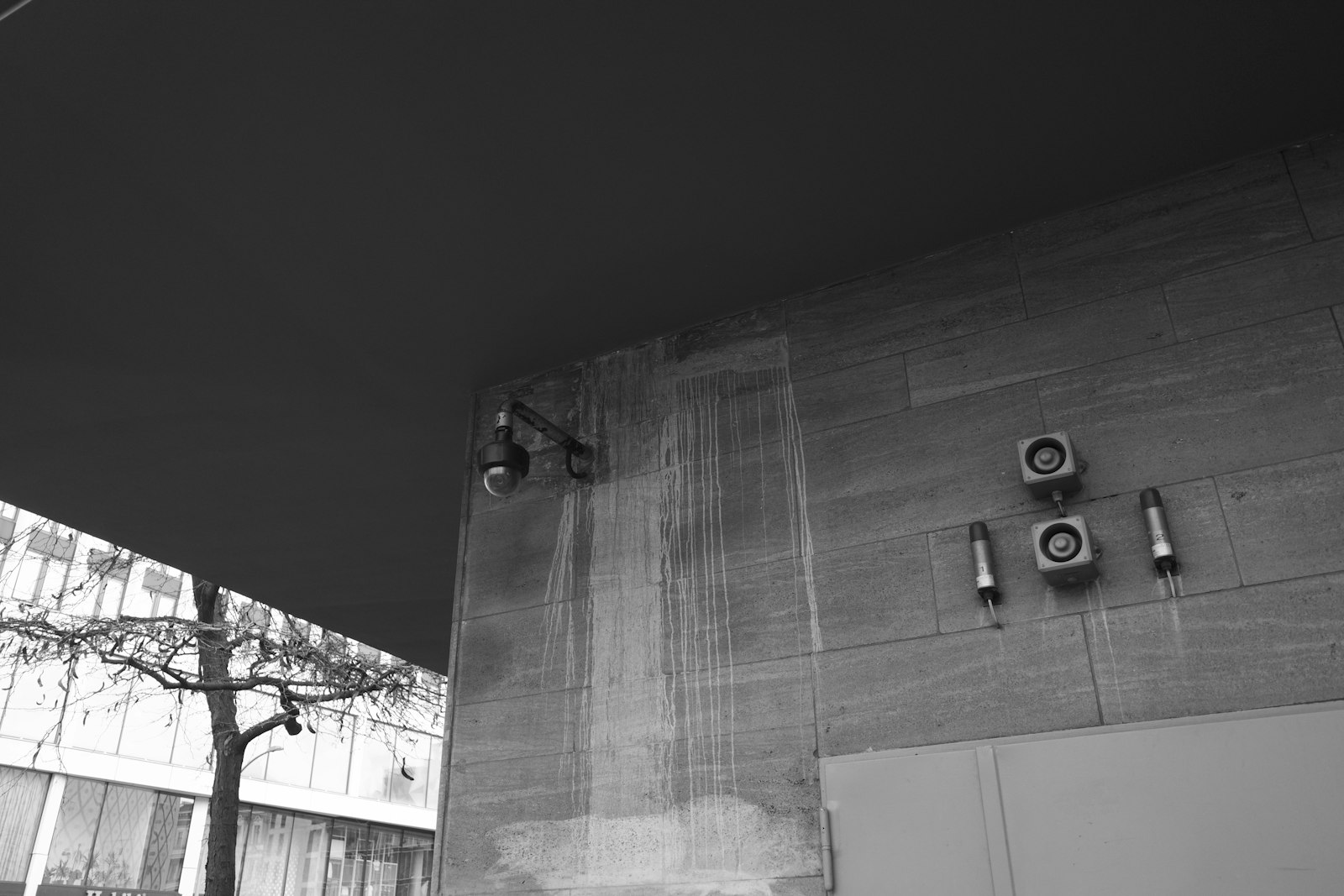
Before you put the camera up, it is worth establishing the permissions and legal issues that need to be dealt with. It is far easier to establish these issues at the start rather than after the installation.
Check If You Need Planning Permission
For most commercial properties, CCTV does not require planning permission. However, properties such as listed buildings and properties located in conservation areas may require consent for the installation of cameras and cabling to exterior walls.
Register With the ICO
All businesses that capture images of staff or members of the public will require registration as a data controller with the Information Commissioner’s Office (ICO). The ICO website contains a wealth of information regarding the responsible use of CCTV, including details of the necessary registration and the limits placed upon the storage and viewing of recorded footage.
Staff, customers and visitors to your premises need to be aware of any CCTV installation. Clear visible signs at entrances to premises and covered areas are generally all that is required to comply with the legislation.
Also worth remembering is that if you rent your property you’ll need to check your lease for any restrictions on installing CCTV cameras and any requirements for installing fixings into walls and brickwork. This is something you can check before the installation with your landlord, or before the installation engineer arrives to start work on your CCTV Installation Swindon project.
People usually end up going to the dentist when something hurts. But by that time, a minor problem could have turned into something rather serious.
Pain or Sensitivity
Pain in the tooth area, even if it comes and goes, is something that should be checked by a dentist as soon as possible. Sensitivity to hot and cold foods and drinks can also be an early sign of tooth decay or receding gums.
Bleeding or Swollen Gums
As the NHS states, if your gums bleed when you brush your teeth it means you could have gum disease. Catching the problem early means the treatment is likely to be simple and won’t cause any permanent damage.
Visible Changes to a Tooth
It’s also important to get prompt appointments if you notice any visible changes to your teeth, for example, a chip, a crack, a lost filling or a dark spot on your tooth.
Life Events That Affect Your Teeth
Your oral health can be affected by a variety of things, including pregnancy, new long-term medication and quitting smoking. Get your teeth checked by a dentist in Bournemouth or elsewhere as soon as possible.
Dental Emergencies
Urgent care is required for severe tooth pain, knocked out teeth, severe swelling of the face or mouth or an abscess.
Even if it’s been over a year since your last dental appointment then it’s time to book an appointment!
Booking a visit about the look of your teeth
Not every appointment has to be about pain. Plenty of people book because they are unhappy with how their teeth look, and cosmetic dentistry deals with exactly that: the shape, colour, size and position of teeth, along with the appearance of the gums and smile. Treatments are now safe and comfortable enough that many people choose them simply to feel more confident.
Veneers are one of the most common options. These are very thin porcelain layers fixed over the front of a tooth to hide chips, worn enamel, misshapen teeth and other flaws, changing the look of the smile without removing the tooth. Dental implants are another popular treatment where a tooth is missing. Laser whitening uses special lasers to lift stains and bring back a brighter, more natural shade. If a chipped or discoloured tooth has been bothering you, raise it at a routine check-up. Your dentist can check that the tooth is healthy first and then talk you through which cosmetic options would suit.
Why whitening belongs with a dentist
Wanting whiter teeth is a perfectly good reason to see a dentist. In the UK, teeth whitening can legally be carried out only by a trained dental professional. A beautician or hairdresser offering it is breaking the law, and could cause lasting damage to teeth and gums without knowing how to put it right. A dentist will check your oral health first and decide whether whitening is suitable at all.
Whitening does not change the shape of teeth or remove their surface. A carefully measured bleaching gel is applied using trays fitted to your mouth, and your dentist will agree the shade you are aiming for and how many sessions it will take. Some sensitivity is normal and should settle once treatment ends. Unsuitable products can lead to blistered lips and burnt gums. Over the counter kits sold on the high street and online are best avoided, as they may not list exactly what they contain, which makes it hard to judge how safe they are.
What happens during root canal treatment
If a dentist appointment reveals that you need root canal treatment, it usually takes more than one visit. Your dentist will first take a series of x-rays to work out exactly what needs doing, and complex cases may be referred to an endodontist, a specialist in this kind of treatment. You will also be told what type of anaesthetic is needed, depending on the state of the tooth.
During treatment, the dentist opens the top of the tooth to reach the pulp inside, which is likely to be infected, and cleans out any abscess at the same time. Once the pulp is removed, the root canals are cleaned and widened so they can be filled. Because canals are narrow and teeth have different numbers of them, this can take more than one appointment, with a temporary filling in between.
At the final visit a permanent root filling is placed. Treated teeth are more likely to break, so a crown is often fitted to protect it.
Hiring a meeting room is not just about booking a space to hold your presentation. Before you book a room for a meeting it is worth checking out the AV facilities beforehand to avoid any problems on the day.
Check Your Cable Connections
Even if a meeting room offers a number of cable connections, you should always ask beforehand if all cables are available. Most meeting rooms are equipped with HDMI connections, but USB-C is becoming more and more the standard connection on new laptops. Bring your own adapter if necessary.
Match Screen Size to Room Depth
A 55” screen is likely to be okay for a presentation to 8 people seated close together, but for a longer, deeper room with 15 people or more, a much larger screen is needed. A rough rule of thumb is to multiply the diagonal measurement of the screen by 1.5 and ensure that the farthest point in the room is this distance or less from the screen.
Test Wi-Fi Before a Live Demo
Rural venues have uncertain connectivity. Use Ofcom data on how broadband speeds vary by location to compare rural venues with urban ones. Request the venue’s dedicated broadband speed. Have a downloaded copy of your presentation ready too. Meeting Rooms Forest of Dean is worth getting right.
Ask About Microphones for Larger Groups
For groups of 10+ an unamplified voice can often get lost. Does the meeting room have a handheld or lapel microphone available and will it be wireless or do cables need to be run to a fixed point?
Confirm Blackout Options for Projectors
Natural light is wonderful in most meetings, but terrible for projecting images. Ask your venue if the meeting room has blinds that can be closed for blackout or if there are curtains that can be closed for blackout.
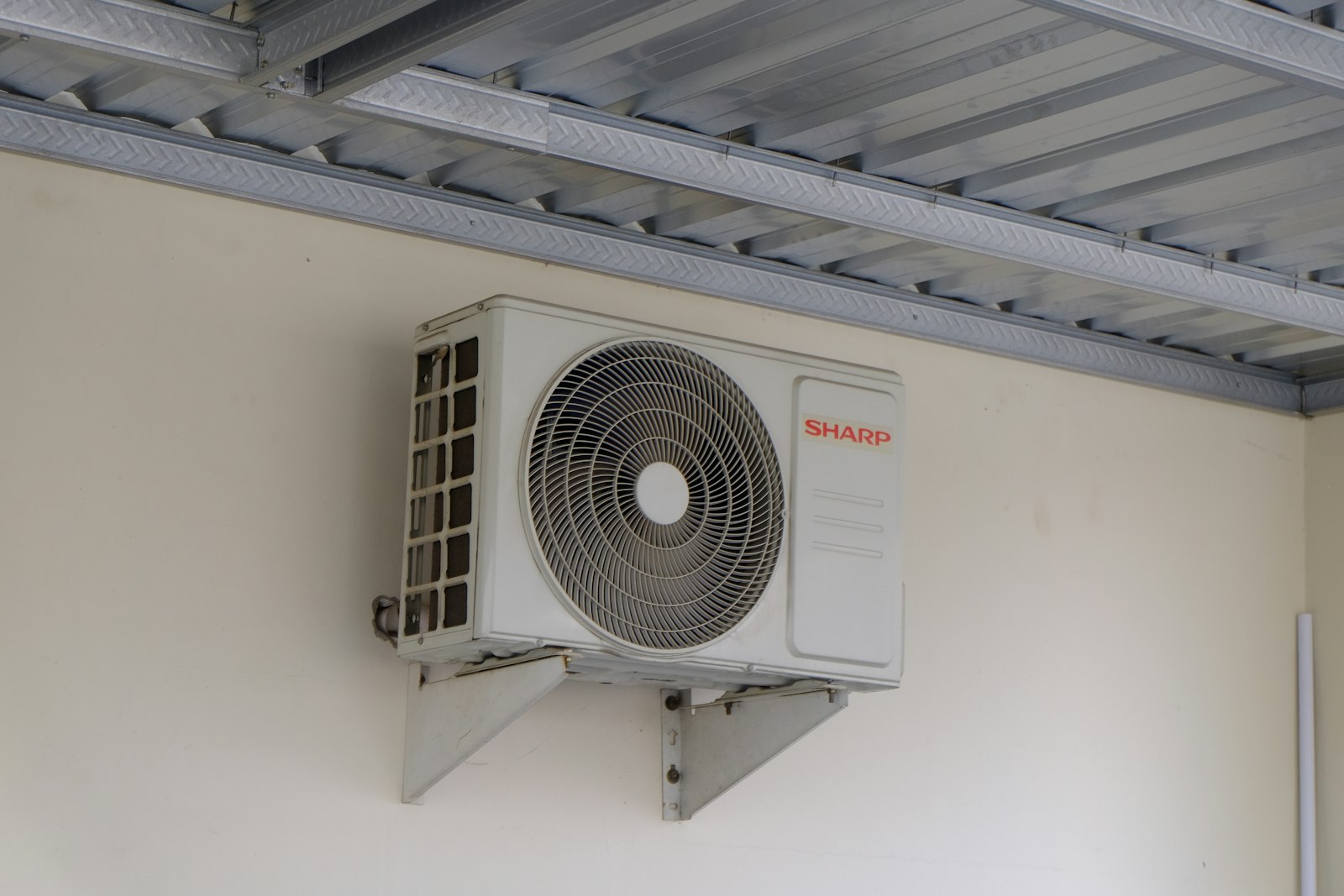
Breakages with air conditioning units are unusual as most problems with Air Conditioning are warning signs that a service is required before they actually fail.
Weak or Reduced Airflow
If your unit isn’t blowing as much air as it normally does, then it is highly likely that your filter is clogged or that your fan motor is failing. Try cleaning your filter first, but if the problem persists, then it may be time to look for Air Conditioning Servicing.
Warm Air Instead of Cool
This could indicate low refrigerant or a problem with the compressor. This is a job for a qualified engineer and one that you should book as soon as possible to prevent further damage.
Mouldy or stale-smelling air coming from your air conditioning is often an indication of mould or bacteria growing inside the unit. The way that indoor air quality affects health is well-documented, so it’s not just a matter of feeling uncomfortable – a dirty air conditioning unit can actually make the indoor air quality worse.
Water Pooling Around the Unit
A little bit of condensation around the air conditioning unit is normal, however large puddles of water or visible dripping can indicate a blocked drain or even a refrigerant leak, potentially causing damp damage.
Rising Energy Bills
Identify these early warning signs to keep your air conditioning working efficiently and to maintain comfortable temperatures within your home or building.
Knowing your banner ran is one thing; knowing whether it worked is another. These are the metrics worth watching and what to do with them.
Impressions and Viewability
Im Impressions: the ad was displayed on a website. Viewable Impressions: the ad was actually visible to the user (more on viewability measurement below). If your banner has poor viewability then the problem is with the placement of the ad, not with the creative itself.
Click-Through Rate
A typical click-through-rate (CTR) for display advertising is around 0.1%. So if the CTR is greater than this for your banner advertising then it’s performing well. Also check the impressions against the clicks and see if the call to action is prominent enough before the end of the animation.
Interaction and Dwell Time
Track hover events, video start events, and panel expansion events in addition to standard click events. Use these to see how engaged users are with your HTML5 banner ad even if they do not complete a click.
Wait two weeks for both novelties to have delivered sufficient data to compare individual placements, and then kill the worst ones for viewability below 50% and click-through rate below 0.1%. This will give you a good basis for your next creative brief.
Sash Window Repair. Just a few minutes of your time to help us help you!
Note the Faults on Each Window
Walk around the house with a note book and write down which sashes are sticking, dropping, rattling or letting in drafts, and which floor they are on. The more specific information you can provide the better and it will enable the repairer to provide a more accurate assessment of the work required.
Check Your Listed Building Status
It’s also worth ascertaining whether your home is listed, and if it’s within a conservation area. This will inform the types of materials that can be used for repair as well as any restrictions that may be imposed by listed building consent.
Dig Out Any Previous Repair Records
Old invoices, glazing bar profiles, or even earlier photos of work done on the sash windows will help match up materials to ensure the new repair does not repeat mistakes of the past. Properties in London, in particular, have complex sash window histories so even rough notes will be helpful. If you are looking for Sash Window Repair London, see https://www.sashwindowpreservation.co.uk/services/sash-window-repair/london/.
This information will enable the repairer to complete the groundwork required to diagnose and complete your sash window repair before examining your sashes.
Making fast changes on a website for a small business owner is vital. Most changes to a website are made quickly by the business owner, so a few simple design choices at the start can make a huge difference to them in the long run.
Choose a Familiar CMS
A Content Management System (CMS) is the main part of your website that you can edit through your website’s dashboard. Choose one that has plenty of good quality help and documentation available online, and is used by lots of other websites.
Keep Page Templates Clean
Your updates will be easy to fit into your website if you have created the pages for your website with clear, defined content blocks within a page template. This means that new text or images will generally fit into your pre-designed pages without any problems.
Structure Your Content Logically
Organise your pages in the same way that your customers would organise their search for information on your site. For web content accessibility principles, the W3C recommends clear headings and a readable reading order. This makes sense for accessible content, and is also sensible for editing content.
Use a Visual Editor for Images
A built-in image editor within the dashboard platform to crop and resize images as needed within the editor rather than uploading raw images and having them stretched to fit the layout of the web page.
Set Up User Permissions Carefully
Make sure to restrict editor access to parts of the site where necessary to prevent accidental deletion and to stop sensitive information (such as contact details) being altered. If you want Web Design Exeter, https://exeter.nettl.com/web-design/ is a good place to start.
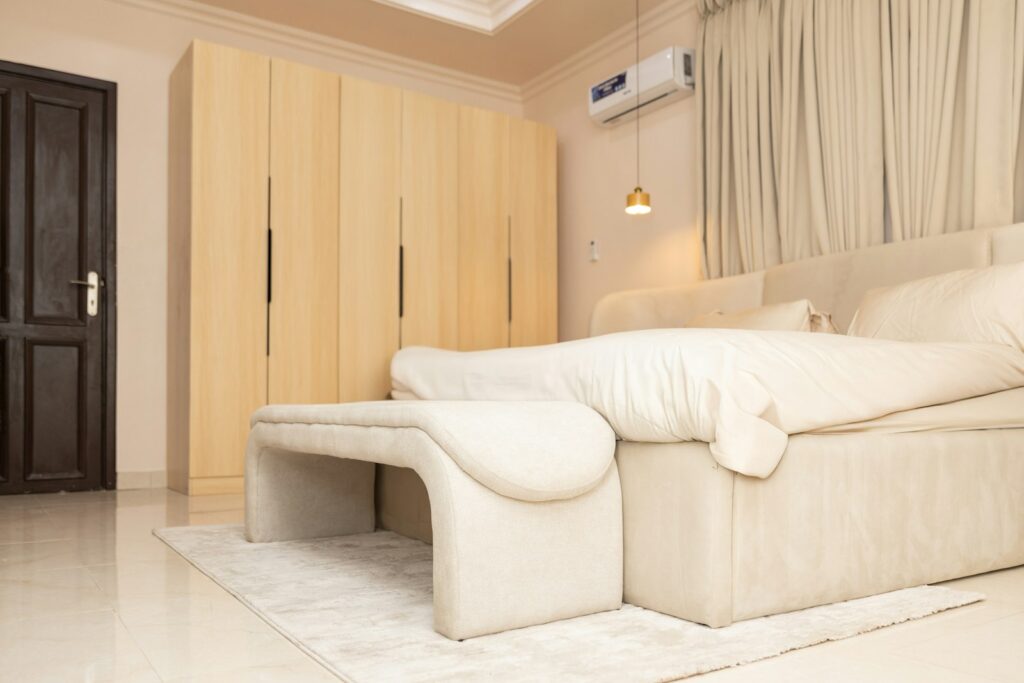
Fitted wardrobes can vary in price greatly. Knowing beforehand what affects prices greatly will ensure you have the correct amount of money to spend before the fitter arrives to measure up for your new wardrobes.
Budget Ranges to Expect
The average price for a basic fitted wardrobe with plain doors is around £1,000-£2,500 for a full unit, depending on the interior layout. High quality fitted wardrobes with many features can cost upwards of £5,000 for large rooms.
How Room Size and Shape Affect Price
Larger rooms or alcoves are generally more expensive to fit than a straight run of wardrobe furniture in a standard bedroom. Also rooms with sloping ceilings can be more difficult to fit and require more materials.
Internal Fittings Add Up
Add in features such as drawers, pull out shoe racks, internal lighting, and extra hanging rails within the wardrobe and the price is increased. Just ensure you have included all the features you actually require. See also Lamco for Fitted Wardrobes Poole Dorset
Door Style and Finish
The door style can be one of the most costly elements of a fitted wardrobe and can greatly impact on the price. Painted MDF finished doors are generally the most cost effective option, followed by veneered wood finished doors and full length mirrored doors.
VAT and Fitting in Your Quote
Do your quotes include VAT and the fitting of your fitted wardrobes?
Comparing Quotes Fairly
Ask each supplier for a full price for the same specification and internal layout to compare ‘like with like’.
A clear brief for what you want and a like-for-like comparison of prices from different suppliers will give you a far better idea of what you are getting for your money.
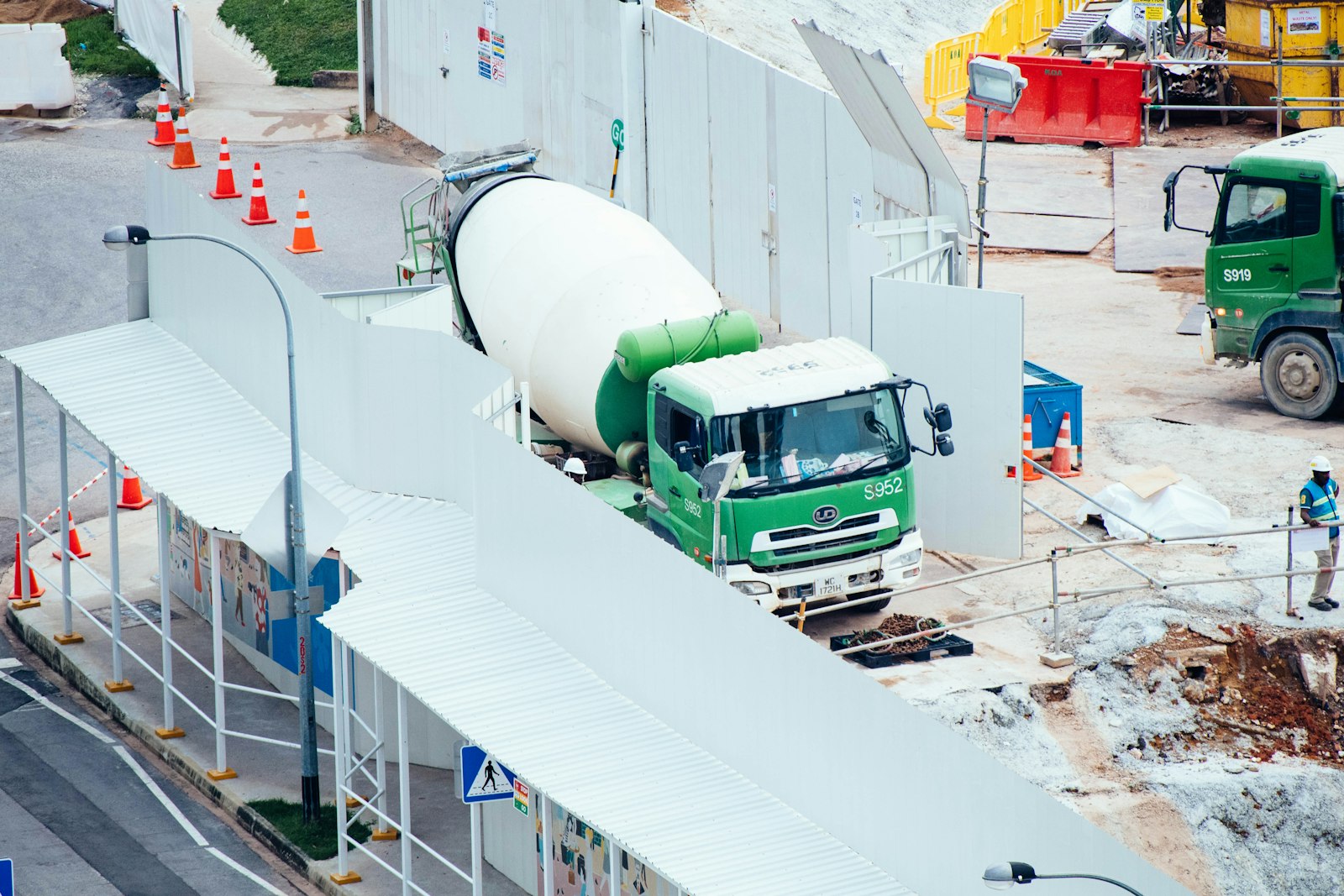
Ready-mix concrete is a product that can be ordered for delivery using a number of criteria and so the ordering of it is straightforward once you have the necessary information to hand.
Calculate Your Volume First
To calculate the volume of your job, multiply length x width x depth in meters. It’s always a good idea to add a bit (about 10%) for waste. Ready mixed concrete cannot be returned to a plant once it has been mixed so try to avoid running short on a pour.
Choose the Right Grade
The grade of concrete is dependent upon the project being undertaken. Typically C20 is used for ground such as foundations for a garden shed, C25 for driveway projects and C30 for more structural work such as foundations for buildings. Suppliers of ready mixed concrete in Concrete Stroud can be very knowledgeable and will advise you as to the best grade to use for your particular job.
Check Your Site Access
A mixer lorry is a large and heavy vehicle, so it needs a reasonable size drive and a clear run in. Check the width of your gate, any low hanging branches and overhead power lines. Also ensure the area where the lorry is going to park has firm, even ground. Inform the supplier of any tight turns or steep slopes on your drive.
If the ready mix concrete truck cannot get near enough to pour your concrete, you will need to hire a concrete pump. Please inform us when ordering if you require a pump as these must be booked in advance and are usually booked at the same time as hiring the mixer.
Time Your Pour Carefully
Have your labour and tools ready to proceed with pouring the ready-mix when the truck arrives. The ready-mix will start to set within approximately 90 minutes of mixing and therefore any delay on site is costly.
Separation is rarely an easy experience. Even if both partners in a relationship understand that it needs to end, there are often feelings of anger, disappointment, sadness and many other unresolved feelings between them.
When emotions are running high, it can be challenging to maintain a civil conversation with another person.
Even though they are no longer together, there may be certain responsibilities that they share, such as children or finances. In these situations, it is often necessary for them to communicate with each other in order to manage these responsibilities. However, sending hostile messages to each other during these conversations can only make the situation worse for both parties.
It can also have an impact upon the children who are involved in the situation.
The children in these families do not need to know the details of the arguments between their parents. Instead, they require reassurance, stability and permission to maintain a relationship with both parents. By keeping the arguments away from the children, parents can create a more peaceful environment for their children during a time when they are likely to be feeling uncertain about their future. For Family Law Solicitors Gloucester, consider https://deeandgriffin.co.uk/personal-legal-services/family-law-solicitors/gloucester/
Another benefit of maintaining civility in a discussion is that it allows for more room to find practical solutions to the problem at hand.
When every conversation becomes a battle, even simple decisions can become major disputes. Questions like where the children will spend Christmas, who will collect the children from school or how the household bills will be paid can become exhausting for both parties when neither is willing to listen to the other’s perspective.
Being civil to someone who was once in a romantic relationship with you does not require that you agree with everything that they say.
This does not mean that you should ignore any behaviour that is concerning to you or give up your legal rights. It simply means that you will attempt to separate the person from the problem and attempt to address each issue as calmly as possible.
The ability to take a few minutes before sending an email or message can be particularly useful. When writing in anger, emails and messages can easily be misunderstood by the recipient. Taking a few minutes before sending such a message can help to avoid saying something that will create a much bigger problem for both parties involved.
Another way to get support from someone else is to involve a solicitor in your discussions. A solicitor can provide you with an objective perspective on your situation and can help you to deal with any difficult legal issues that may arise during your discussions.